How Does Batesville Get Its Water? | BetterKnow Batesville
Ever wonder what it takes to keep the water flowing and the gas running in Batesville, Indiana? Join BetterKnow Batesville for a behind-the-scenes look at the Batesville Water & Gas Utility Department!
The caption, as posted
How Does Batesville Get Its Water? | BetterKnow Batesville
Ever wonder what it takes to keep the water flowing and the gas running in Batesville, Indiana?
Join BetterKnow Batesville for a behind-the-scenes look at the Batesville Water & Gas Utility Department!
We're getting an inside look at the people, equipment, facilities, and everyday work that help keep our community running.
A special thank you to Terry Kneuven and the entire Batesville Water & Gas team for taking the time to show us around, answer our questions, and share what they do for our community.
This is what BetterKnow is all about — exploring familiar places, meeting the people behind them, and learning something new about the community we call home.
🌐 Explore more local stories, history, events, and information: https://BetterKnowBatesville.com
👍 Enjoyed the tour? Like the video, subscribe to the channel, and tell us what part of Batesville you'd like to explore next!
#BetterKnowBatesville #BatesvilleIndiana #HowItWorks
People & places in this story: City of Batesville
Auto transcript (3118 words)
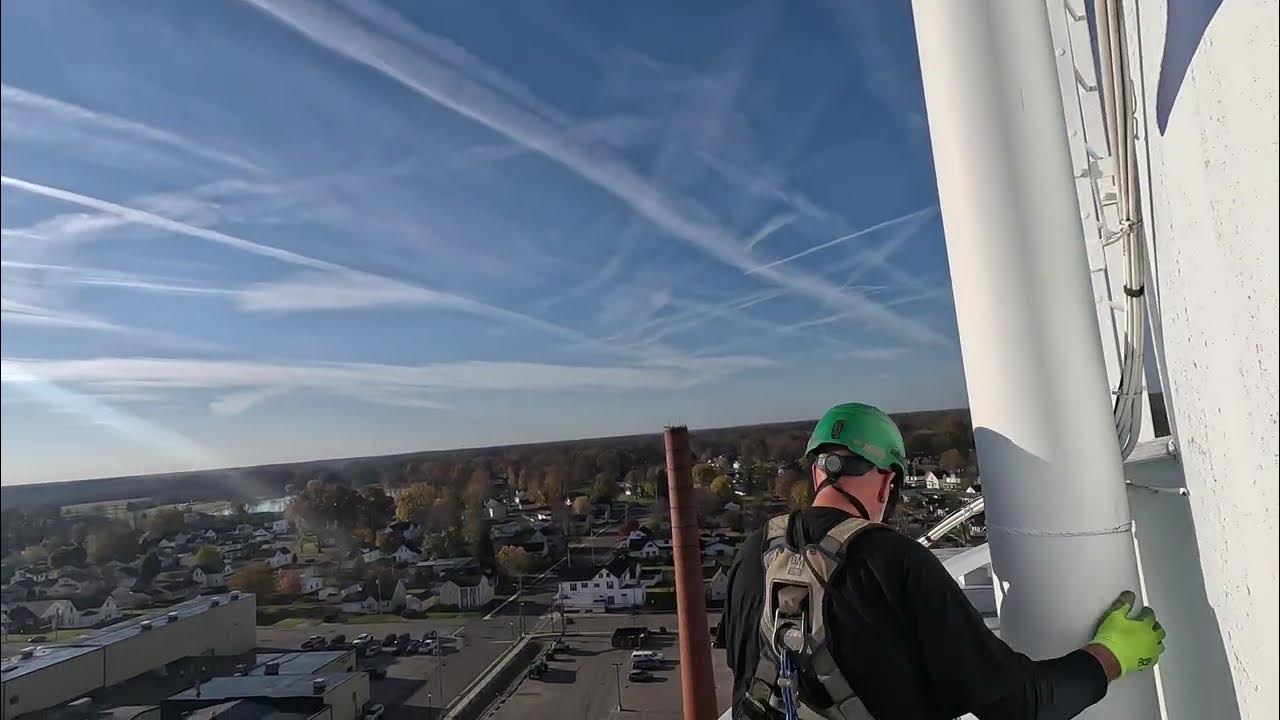
Terry, how tall is that water tower? >> 150 ft. >> 150 ft high. You ever been up on top of there? >> Not this one. >> Not this one. I have been up on one in Summit. >> So when do you go up on towers? >> So they they have a maintenance We actually have them inspected every 5 years and it which is actually going to happen November 10th and 11th. We'll be We'll be draining this and >> Inspection coming November 10th and 11th? >> They'll be draining this one and inspecting the inside, outside, everything about it. >> What's the guy got to do to be able to get on that show? >> Be here at November 10th or 11th. >> You think there's a possibility? Cuz there a possibility that I get up to the top of that thing. >> I would say if they climb it, you can climb it. >> I'm signing a waiver. We're going to get on top of the water tower. I'm going to talk to them about whether not they should keep Batesville on that or put something different. I don't know. Like John Deere Green like. We'll see. Tell me about this tower. >> This one's been here since 1981. 161 ft to the top, but it's 150 some ft to the bottom. >> How much to the bottom? >> 150 ft to the bottom. It's a 500,000 gal. So half a million gal in here. >> Why does that matter? >> So that's where your pressure from your house comes. So every 1 ft of water in elevation gives you 0.433 uh pounds of pressure. So if we have 100 ft of water in here, you'll have 43.3 pounds of pressure at your house. >> So how does the water get up there? >> By mechanical pumps. So after we pull it out of the filter plant, there's a set of high service pumps in there that basically force the water up to the top of the tower. So it's constantly running. So it it it reads the water level. If it's at 38 ft, you know, it might be the on point. If it's at 40 ft, it might be the off point. So we we fluctuate 2 or 3 ft. >> It's the only one that's ever had Batesville I've ever seen written on it. And I'm curious like of all the words that you could choose in the world, why did you choose Batesville? >> Island. >> Terry! Is this one of your guys? Hey, we're here to see how this place works. All right, Terry, so give me a tour of this place. >> All the stuff that goes through with how we monitor it comes out in this small little room in here and kind of keeps track of what it is that's going on. So what is this here? >> This is the water it's using to test. >> So you guys ain't coming in here to use this as a water fountain, then? No one just come in there >> Get get you >> Is it good? Is it good? >> Should be. >> No, I'm just kidding, Terry. It's good. It's good. >> This is like the control center here. So there's two separate water plants here in The groundwater is actually pumped from wells cleared out by Metamora and then like 19 miles across the country. >> Like an aquifer? Let's talk about tapping into the aquifer about probably what six, seven years ago now, maybe? >> five years ago. >> we tapped into the aquifer which provides an unbelievable amount of resource and the opportunity for water to get into basically >> completely clean. I mean, it's crazy clean completely. >> So this is the one that we've had that's tapped into the aquifer. >> new one that's out in Metamora. >> And this one is the one that we've had originally. >> since 1928. >> Since 1928 and we're going to see some of the places today that this actually was incorporated with. >> This building where we're sitting here now, this section of it used to be a 150,000 gallon tank underneath of us >> Oh wow. >> that they used to use in the settling process, but it's no longer used. So they part of the 1920s this is the depth of the water right there. >> That's crazy. >> and 1/2 ft deep. >> 15 and 1/2 ft deep. >> So this here is part of the original system. This is the actual filter plant. >> Come check this out. >> So these are one of the five These are the five filter beds that are all part of the original system. >> Wow. >> Um the water comes in through the clarifier plant which I'll show you here in a little bit. >> What's the typical pH level that we want to see like >> We like to keep it around 7.5 to 7.8. >> All of this stuff is down below. Like how's the water tower come into play? >> So after the after the water leaves this, it goes into a 170,000 gallon tank that's under this building. >> Okay. >> And then there's a series of pumps which I can go downstairs and if want to see some of the plumbing. >> All right. >> Yes. This is awesome. >> This one everybody likes. >> This is This is like going >> You can excuse our mess a little bit. You know, just spare parts and everything around here. >> You got to think Yes. So, how many pipes is this building? >> Some of these probably need 60 to 60 to >> Look down there. Check this out. I've always wondered what's going on here. This place has existed for how long? >> Since 2003. >> 2003 they put this place in. I don't know anybody that I know that's ever been in it. What's the story behind this place, Terry? >> So, this is the park reservoir that everybody very familiar with. We have five other reservoirs throughout the system and we pump water to here to fill it up and this is where we draw our main source of water. >> This is where all the other five reservoirs pump the water to in storage before it runs to the clarifier plant. >> All five pump it into this place before it pumps into storage and then it goes to the clarifier plant. >> Yeah, this being the clarifier plant, it does like a pre-treatment process before it sends it to the filter plant, which is >> Okay. >> downstream. This is the carbon room. Basically, the fancy word for charcoal. And they put it in the water as a filter aid basically get the taste, fishy smell, and the odor. Basically, control center for all the motors and the vacuum pumps and boosters and don't fall out. >> These control buttons are just great. >> This is basically just a control center for the mixers. >> pulled one of these? >> A couple days ago. Oh, we had to have some work done on the mixer, which that was an intentional pull. >> Okay. Okay. Okay. Not a man on one leg. Oh, okay. Yeah. That makes sense. How fast >> remotely from both places. >> And it's how fast it's pulling and drawing. Okay. Yeah. Right. >> It reads your how clear the water is, how many gallons a minute it's doing, what the pH level is currently. >> What's our pH? Let's check the test. >> 7.71. >> 7.71. We're in the range. We're good. That's the sweet plus. >> Where the water comes in the building on the downward side, flows this direction, pump a few chemicals in there to help it settle out, make some of the the boiling materials coagulate and stick together so they settle out faster. >> Got it. And once that happens, what happens to the sediment? What does it get >> to the bottom of the next room and then it eventually gets pumped out here. It goes through the next room we go to. This is where it returns to this to the wastewater plant. >> This takes it Hey, we're starting to figure it out. Water in the toilet, we know how it gets there. Water out of the toilet, this is where we're going to head to next. We'll check out the sewage department some other time. We use >> We're probably we're probably 80% groundwater now. >> 80% groundwater now. Wow. We said We heard a lot of negative feedback from >> So people don't love people don't like the hardness. It's a little harder water, but it's so much cleaner and it's so so less chemicals being used. >> And we do see the amount of chemicals that we put in the water and that we have to treat it in order to make it fresh and still keep it in that pH level that we all like without the fish smell that we don't. >> We can back up to the saving So if we would have a major contamination issue, we could fall back on our other system to keep the system running. >> system is what we have as a backbone or back burner just in case something happens. >> Exactly. And that's why we run it still 25% of the time just to make sure the system is moving and everything operates well. It's it's start with our backup power. >> need is there, we have the capability, right? That This is it. Wow. Look at that >> To clarify our plant, this is basically in a in a performance a complete treatment before it gets to the the filter plant. >> Got it. >> So this takes the majority of the solid out of the water, the floating, the algae comes to here to get removed >> Okay. Okay. >> before the damage. >> So you wouldn't let me take a drink out of this one? >> You probably could. I've sure you drink worse. >> Oh, that's fair. But that stuff right sanitizes everything. I smell something in this room. What is that smell? It's not bad. >> So it's the it's the algae in the in the the pond water smell and >> Okay. That is wild. >> It had you got through the >> Okay. That's what takes out that fishy smell. Learning prediction. And then about 5 years ago they put this in. This is a this is a water softening plant. >> This is strictly the groundwater that is pumped from Metamora, the 19 miles cross country. This is this is the new one. This is where it starts. This is the lab for the softening plant. This is where we basically test the hardness of your water, the chlorine, the fluoride. This is our water system where we track >> You guys generally recommend that if it's yellow let it mellow, if brown flush it down? >> Nowadays we're pretty fortunate. We have, you know, we we could probably pump pretty pretty a half million gallons a day and and we're only pumping between 800,000 to 1.2 million a day. >> I don't I'm not good with numbers or math but it says >> about 30% >> We got room to poop. >> All right. >> Another another office here. This is the town library where all the paperwork gets done. >> Send it to the wastewater plant. >> All the brains got these called VFDs, variable frequency drives. They ramp up, speed up, slow down as needed. >> Okay, depending on the need. All right. So this is mixed up with technology compared to the other place where it when it started. Yeah, that's amazing. Wow. >> So these are the pumps that actually push the water into the towers. >> pH >> And pH >> 7.32 >> It's spot on. >> Okay, so all the fish that are in here we take care of all that stuff, right? >> Correct. >> Now what about the bicycles that are in here from like my time period in childhood cuz I guarantee there's six or seven of them that we're still looking for. We're still looking for you. One of them was my bike. How many gallons are in here right now? >> 271 acres of water. >> Dude. Dude, hold on. Did you see that? I think we caught that. I've never caught a fish in here. Honestly, I don't know if it's just me. Uh you ever caught a fish in here? >> Uh yeah, when I was younger. >> Thanks Terry. Terry is much more >> available. There's 824 million gallons >> 824 million gallons? >> between the five or six where the water is combined. Intake structure where the water comes into the building. Um one of our guys who treats this lake with algaecide and stuff to keep it keep it clean and and looking nice and whatever. Hit it with a Hit it with a boat not too long ago. >> hit it with a boat? >> The only thing in the entire reservoir. >> Yeah, it's hard to miss. It's hard to miss. >> acre reservoir. >> That's a miss. >> Yeah, that thing's >> Now, I did hear someone say this is something they should probably talk about. Unless they don't talk about it. >> You know, I'm sitting on that. >> That we need to fix that. That's terrible. No one should sit there. >> It's been a concern that's been raised uh is the structural safety of this correct? >> Considered a high hazard dam >> Yes. Why? >> it doesn't have the enough width to create to create the amount of weight that it's creating. >> a major problem that we're going to have to face one way or the other. >> The DNR. >> DNR. DNR has said that this is a let's say situation that we're going to have to deal with in the future and there have been people that have thrown out the idea of completely draining this because the need is no longer as apparent as it was before. I've not heard a lot of people that would be excited about that. I think this is a resource. I mean, I'd find my bike, but at the same time >> This is the centerpiece of the city in my opinion. I I hate to see this thing go away. I'd rather see them spend the money to lose a little bit of space and build the dam out for that. >> Let >> They considered it a high hazard dam because it doesn't have the appropriate amount of slope to support the weight. >> The question is how long can it last? If we want to preserve this place, we're going to have to figure out a solution to come up with >> There's hundreds of people that walk this probably thousands of people a day. >> It's one of the most beautiful places in >> and in all honesty, is deserving of being preserved. I'll take a loss of my bicycle. We'll never know. Kind of the typical kind of work orders that you get here. I mean >> from checking for low water pressure to you know just maintaining the system, whether it's when we change out meters or we need to fix water lines, fix water services. We try to schedule some things, but most of it's on the fly. >> This is the room itself. So this basically is a gigantic version of what you have at your house. >> It's a water softener. >> This is a huge citywide water softener. >> Everything that comes through the groundwater plant, which is about 800 to 900,000 gallons a day, comes through here to go from >> Wow. >> about 345 parts per million hardness. You can see the pipes are all color coded, so we got the flow where the raw water comes in, where the rinse water goes out, where the finished water travels. >> That's awesome. >> This is where we inject the the chlorine and the fluoride and the phosphate. Phosphate is there to coat the pipes because there are some old lead lines out in the system yet, and this is what we're trying to put the protective coating on so so we prevent that from being hazardous. >> When What's our thought process with maintaining our water lines that go through? Do we systematically do that? Like >> Correct. >> From time to time we're going to do this section, this section, this section, and in the middle of that, other things happen in the middle of it. What's the budget like to run a place like this? >> Hundreds of thousands. >> Hundreds of thousands of dollars to keep the water running clear in Batesville, Indiana every single year. Maintenance of this stuff alone, just to make sure it's all running, because if something goes wrong with our water system, we'll hear all about it. You'll hear all about it. >> Then you hear from us. >> Yes. This is big stuff out here. This is impressive to see. >> This is the salt salt storage like you would have in your house in a small container. >> okay. This is the water softener for the entire city of Batesville. So how much salt goes in there how often do you have to refill this one? >> we >> put about 40,000 lb a month. >> 40,000 pounds a month in there? Oh my gosh. What's that cost at Walmart? Like 25 bucks? >> I don't know, 5 bucks a bag. >> Yeah, just got to add up and figure it out. >> So this is the clear well. So after it's gone through the softening process, >> Yep. >> then the water gets pushed over to here and it's it's storage. This is ground storage. >> got you. >> Then those the high service pumps that we seen pull it out of here and shove it up there. >> The newest water tower in Batesville, Indiana. Now, honestly, I see an amazing, clear, perfect white space. What would be a good word to put on there? Hey Ted, can you even thank you very much. I appreciate you showing me around, showing us how the water tower works in Batesville.
Originally posted: Youtube
Keep watching.
More from the same people, places, and series.